Physical Vapor Deposition (PVD) vacuum coating has revolutionized the jewelry industry by offering a durable, environmentally friendly, and aesthetically versatile alternative to traditional electroplating. This advanced thin-film deposition process operates inside a high-vacuum chamber, where solid coating materials—such as titanium, zirconium, chromium, or gold—are physically vaporized from a source and then condensed onto the jewelry substrate as a thin, adherent film.
The process typically employs methods like sputtering or cathodic arc evaporation. In cathodic arc deposition, a high-current electrical arc strikes the target material, creating a highly ionized plasma that evaporates the metal. Sputtering uses energetic ions to bombard a target, ejecting atoms that travel to the substrate. The vacuum environment, often maintained below 10⁻⁵ Torr, ensures minimal gas molecule interference, resulting in a dense, pure, and extremely hard coating with exceptional adhesion.
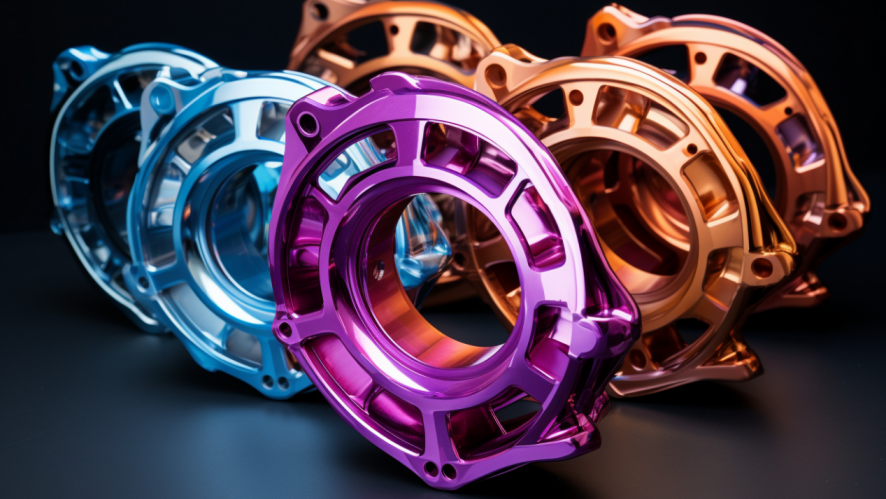
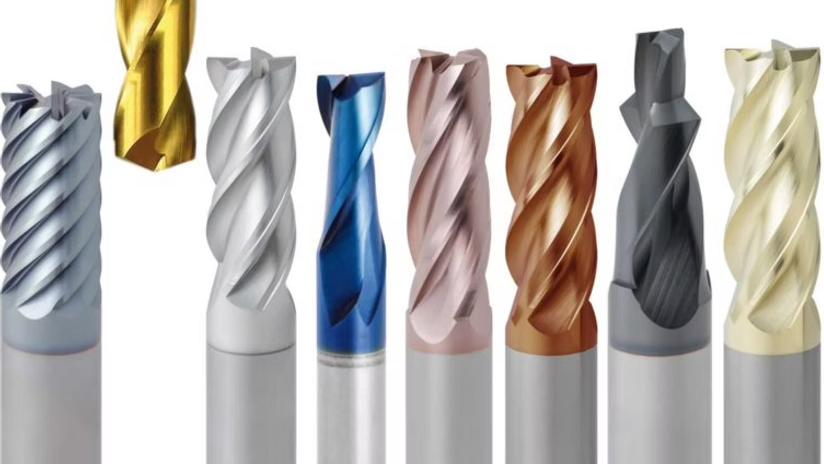
For jewelry applications, PVD coatings offer compelling advantages. They can deposit a wide spectrum of decorative colors—including classic gold, champagne, rose gold, black, blue, and iridescent finishes—simply by varying the process gas composition, such as introducing nitrogen or oxygen to form nitrides or oxides. More importantly, PVD coatings are significantly more scratch-resistant, corrosion-resistant, and tarnish-proof than conventional gold plating. They exhibit excellent wear resistance, making them ideal for everyday items like rings, watches, bracelets, and eyeglass frames that experience constant friction and skin contact.
From an environmental and health perspective, PVD is superior to electroplating. It generates no toxic chemical waste, acid baths, or heavy metal effluents, aligning with green manufacturing standards. The process operates at lower temperatures, typically below 200°C, which preserves the metallurgical properties of base materials like stainless steel, brass, copper, or tungsten carbide.
Quality control is paramount. Prior to coating, substrates undergo rigorous ultrasonic cleaning and ion etching to remove any organic residues or oxides, ensuring optimal film adhesion. The coating thickness for jewelry is usually controlled between 0.1 to 0.5 micrometers—thin enough to retain intricate details and sharp edges, yet thick enough to provide lasting protection and brilliant aesthetics that endure for years.